Today I want to share one of those incredible stories that really makes you believe in perseverance. It’s about a guy who didn’t hit his stride until his 40s, faced rejection after rejection, and somehow became Britain’s wealthiest person. Yep, I’m talking about James Dyson—the man behind those sleek fans and powerful vacuums we all know and love.
The Early Years: Building Resilience
James Dyson was born in 1947, and life wasn’t exactly easy from the start. When he was just nine years old, his father—a teacher at a boarding school—passed away from cancer. The school made an exception and let young James continue his education there, giving him access to quality schooling despite his family’s financial struggles.
Fast forward to university, where James studied both design and engineering. This combination would later prove crucial to his success. After graduation, he teamed up with an engineer-entrepreneur named Jeremy Fry. Together, they designed innovative boats with unique hull shapes that caught the attention of military equipment manufacturers. For a few years, James enjoyed a comfortable life—he even bought his first house thanks to this venture.
The “Aha!” Moment That Changed Everything
But James was never one to settle. During a home renovation project, he struggled with a traditional wheelbarrow that kept sinking into soft ground. His solution? Replace the wheel with a ball. This simple innovation led to a product that captured 55% of the UK wheelbarrow market within a few years.
However, James’ real breakthrough came from a much more personal frustration. His wife was constantly changing the bags in their vacuum cleaner—not because they were full, but because they’d get clogged with dust, reducing suction power. James thought, “There’s got to be a better way.”
His eureka moment came when he observed industrial cyclonic separators in sawmills. These machines used centrifugal force to separate dust from air without clogging. James realized this technology could revolutionize household vacuums. But when he pitched the idea to his company’s board, they weren’t interested. So at age 32, James made a bold decision: he quit his job to pursue his vacuum dream full-time.
The Five-Year Grind (and 5,000 Prototypes)
Here’s where most people would give up. James spent five years and created over 5,000 prototypes in his garage. His wife, who he’d met in art school, supported the family by teaching art classes while James obsessed over his invention. Talk about partnership goals!
When he finally perfected his bagless vacuum in 1984, the real struggle began: trying to sell his patent. British manufacturers rejected him outright. One executive bluntly explained, “We don’t just sell vacuums—we sell replacement bags. Your invention would kill our recurring revenue.”
Undeterred, James took his invention to America. After a promising meeting with Amway, he was shocked to see a remarkably similar product appear on shelves. James sued and spent another five years in legal battles before finally winning his case. But by then, his savings were depleted, and his family was struggling.
The Japanese Breakthrough
With options running out, James turned to Japan. To his surprise, a Japanese manufacturer licensed his technology and launched the G-Force vacuum—a sleek, pink appliance that sold for a staggering $2,000 (equivalent to about $6,000 today). Japanese housewives, who spent significant time on household chores, embraced the luxury product. This success finally gave James financial breathing room and allowed him to pay off his mortgage.
But James wasn’t satisfied. He wanted his invention to reach ordinary households worldwide, not just wealthy Japanese consumers. When venture capitalists rejected his pitch (questioning his business acumen despite his impressive track record), James decided to bootstrap his own company. With no VC backing, he maintained complete control—something that would prove invaluable later.
Betting the House (Literally)
At age 40+, James faced another crossroads. Banks were skeptical about lending to someone with no proven business model. One banker finally agreed after consulting his wife, who raved about the bagless concept. But James had to mortgage his recently paid-off home to secure the loan—a huge risk that left him financially vulnerable again.
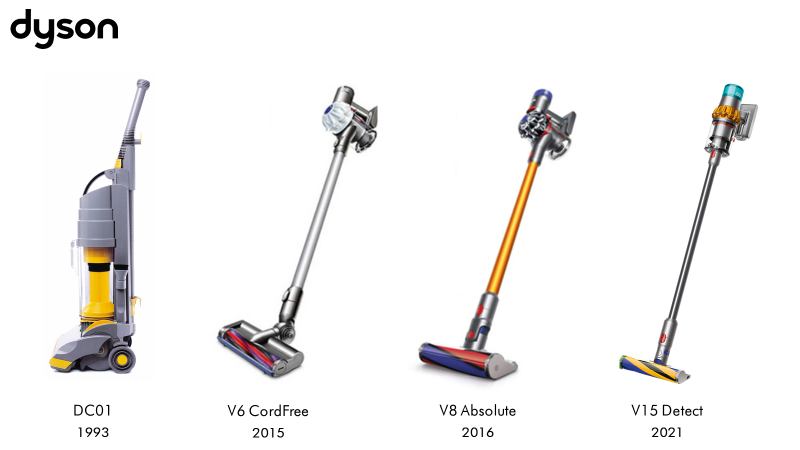
Three more years of development followed. In 1993, the first Dyson DC01 vacuum launched. But creating a great product was only half the battle. Retailers were hesitant to stock an unknown brand at a premium price point. James made a desperate deal with one store: he’d take no payment for the first month’s sales, instead using all revenue for TV advertising.
The Infomercial That Changed Everything
James himself starred in those early commercials—a soft-spoken, silver-haired British gentleman demonstrating his vacuum’s power. His simple tagline, “Say goodbye to the bag,” resonated with frustrated homeowners everywhere. The first day’s sales sold out the entire inventory.
Within two years, Dyson dominated the UK vacuum market, generating over £100 million in annual sales. The brand expanded to the US through Best Buy, where a single enthusiastic employee’s personal testimonial convinced store management to give the product shelf space. Without any advertising, sales exceeded projections by tenfold in the first month.
Beyond Vacuums: The Dyson Empire
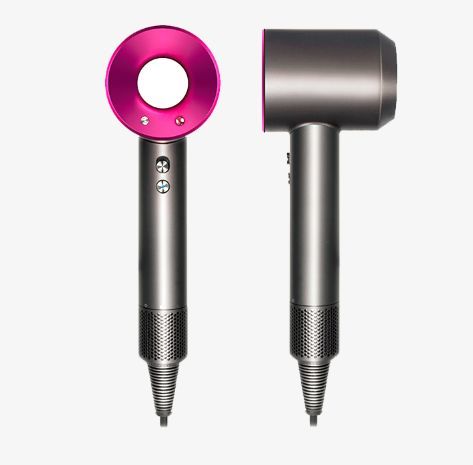
James never stopped innovating. Dyson expanded into bladeless fans (safe for children and pets), hair dryers that protect hair from heat damage, and hand dryers that actually work efficiently. Not every venture succeeded—the company’s washing machine that mimicked hand-washing was discontinued after poor sales—but James viewed failures as learning opportunities.
In a move that stunned the industry, James invested $2 billion of his personal fortune (nearly one-third of his net worth) into developing an electric vehicle. Though the project was eventually shelved, it demonstrated his commitment to solving real-world problems through engineering excellence.
The Man Behind the Money
Today, James Dyson’s net worth exceeds $6.2 billion, making him Britain’s richest person. Remarkably, he still owns 100% of his company—no public shareholders, no boardroom politics. This independence allows him to focus on what truly matters: creating products that improve people’s lives.
What strikes me most about James isn’t his wealth, but his character. He’s not driven by money but by the relentless pursuit of better design. He’s endured poverty, rejection, legal battles, and personal sacrifice—all while maintaining his integrity and vision. And through it all, his wife has been his unwavering partner.
James Dyson’s story teaches us that success isn’t about timing or luck—it’s about perseverance, solving real problems, and staying true to your vision even when everyone else says you’re crazy. Sometimes the most revolutionary ideas come from simply asking, “Why does it have to be this way?”