Economic sanctions represent one of the most frequently deployed foreign policy tools in modern international relations, yet their effectiveness remains highly questionable. This analysis examines five major sanction cases—Cuba, Venezuela, North Korea, Iran, and Russia—to uncover the reality behind these economic weapons. Despite being touted as a “middle ground” between diplomacy and military action, sanctions achieve their stated objectives in less than 10% of cases, while often creating severe humanitarian consequences that primarily impact ordinary citizens rather than targeted regimes. Understanding how sanctions actually function—and fail—requires examining both their technical mechanisms and their real-world impacts across diverse geopolitical contexts.
The Core Mechanics of Modern Sanctions
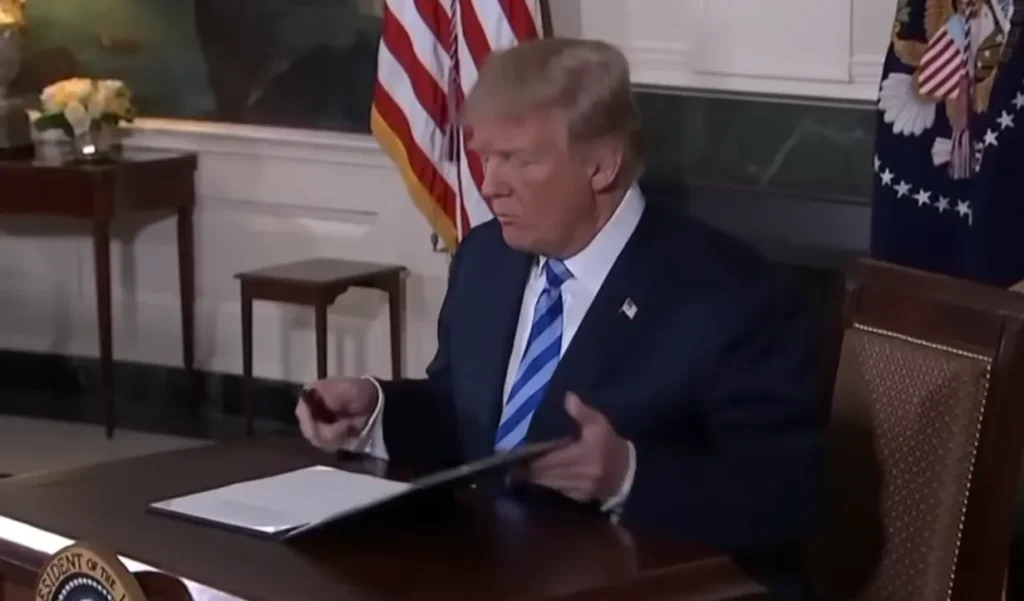
Economic sanctions operate through several key mechanisms that have evolved significantly over time. The most fundamental tools include:
Trade Blockades: These prevent targeted countries from buying or selling goods internationally, effectively cutting off revenue streams and creating shortages of essential goods. This was exemplified in the Cuban case, where the U.S. implemented a comprehensive ban on all Cuban imports and strict export restrictions.
Asset Freezing: This involves locking government and private assets held in foreign banks. When applied to Cuba, this meant freezing Cuban companies’ earnings and savings in the U.S., essentially trapping their capital. More recently, Russia saw approximately $300 billion of its central bank reserves frozen—roughly half its total foreign exchange holdings.
Secondary Sanctions: This represents one of the most powerful modern sanction tools, where third parties doing business with sanctioned nations face penalties themselves. As seen with Iran, this creates a powerful deterrent effect where countries must choose between maintaining relations with the sanctioned nation or preserving access to U.S. markets and financial systems.
Financial System Exclusion: Removing access to global financial messaging systems like SWIFT has become a critical sanction weapon. Russia’s exclusion of 45 banks from SWIFT forced the country to develop alternative systems like SPFS, though with significant economic costs and inefficiencies.
Five Case Studies: Patterns of Success and Failure
Cuba: The Longest Sanction Regime in Modern History
Cuba holds the dubious distinction of being under continuous U.S. sanctions since 1962—a full 62 years of economic pressure. The sanctions began with the Cuban Assets Control Act under President Kennedy, implementing comprehensive trade blockades and asset freezes. Despite this unprecedented duration:
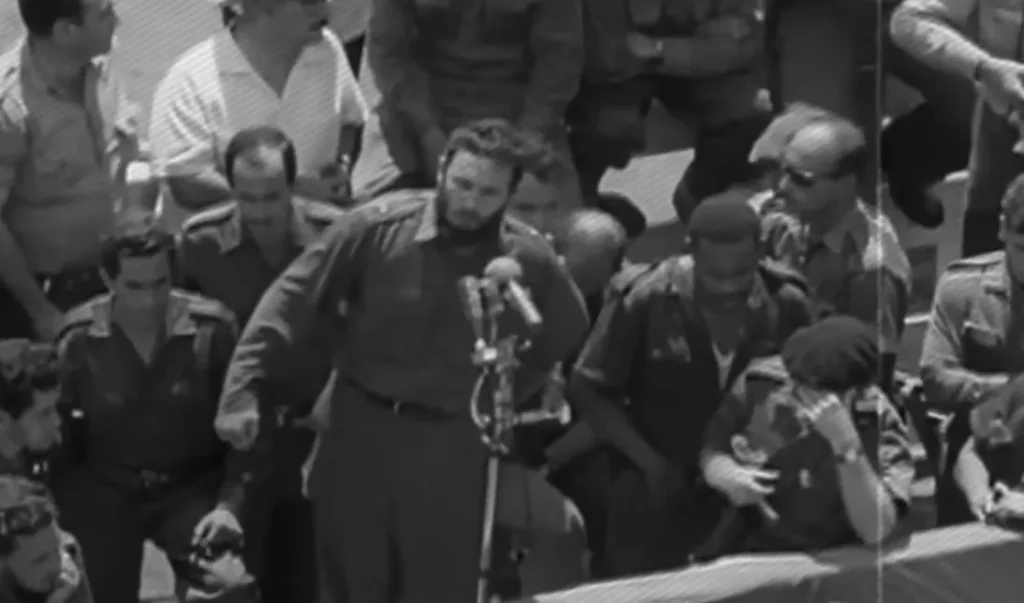
- Initial Soviet Support (1962-1991): Cuba survived through massive subsidies from the Soviet Union, which bought Cuban sugar at six times market price and provided essential energy resources. This strategic backing neutralized much of the sanction impact during the Cold War era.
- The “Special Period” Crisis (1990-1993): When the Soviet Union collapsed, Cuba experienced catastrophic economic decline—GDP shrank by one-third, foreign trade declined 60%, and average adult weight dropped 5-10 kilograms due to severe food shortages. Power outages lasted 8-16 hours daily in many areas.
- Recovery and Adaptation (2000-present): Cuba’s remarkable recovery came through economic reforms, tourism development, and crucially, a new strategic partnership with Venezuela. Hugo Chávez provided subsidized oil in exchange for Cuban medical services, effectively replacing Soviet support. By 2020, Cuba’s per capita GDP approached $10,000—surpassing Mexico and more than double Vietnam’s level.
The Cuban case demonstrates that even the most comprehensive sanctions can be mitigated through strategic partnerships and economic adaptation. The UN General Assembly’s annual vote to end U.S. sanctions consistently shows overwhelming global opposition (187-2 in 2024), highlighting how unilateral sanctions often lack international legitimacy.
Venezuela: From Oil Wealth to Economic Collapse
Venezuela presents a stark contrast to Cuba’s relative resilience. Despite possessing the world’s largest proven oil reserves, Venezuela’s economy collapsed under sanctions primarily because of its extreme dependence on oil revenue and lack of economic diversification.
- Escalation Timeline: U.S. sanctions began targeting individuals in 2005, but dramatically intensified after 2014 protests and government crackdowns. The critical turning point came in 2017 when the U.S. imposed financial sanctions on PDVSA, Venezuela’s state oil company, cutting off its access to U.S. financial markets.
- Economic Implosion: Government revenue plummeted from 30% to less than 10% of GDP. Hyperinflation exceeded 300,000% in 2019. Infrastructure collapsed—power grids failed regularly, water systems deteriorated, and hospitals lacked basic supplies. Millions fled the country, creating Latin America’s largest refugee crisis.
- Adaptation Attempts: Venezuela moved its oil operations to Russia and found alternative buyers in India and China, but these relationships couldn’t compensate for the loss of U.S. markets and financing. The country’s economic structure—overwhelmingly dependent on oil with minimal diversification—made it uniquely vulnerable to targeted sanctions.
Venezuela’s case reveals how sanctions can devastate economies when they target critical vulnerabilities, but also demonstrates their limitations in achieving political objectives. Despite economic collapse, the Maduro regime has remained in power, showing how sanctions can destroy economies without achieving regime change.
North Korea: The Ultimate Sanction-Proof Economy
North Korea represents perhaps the most challenging test case for economic sanctions. Already one of the world’s most isolated economies before sanctions intensified, North Korea has developed sophisticated methods to circumvent international pressure while continuing its nuclear weapons program.
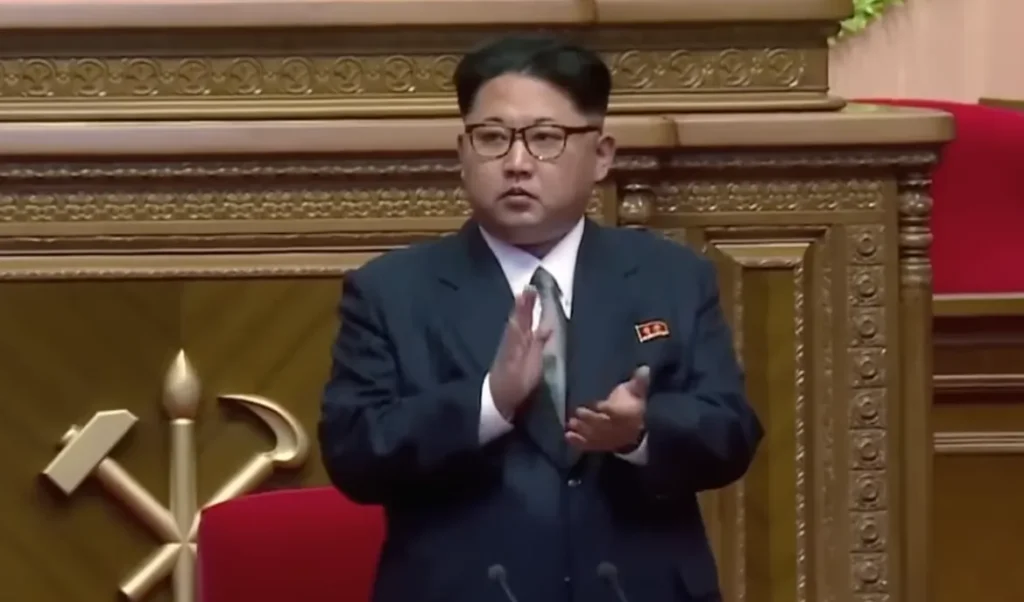
- Sanctions Evolution: Since 2006, the UN Security Council has passed eight major resolutions imposing increasingly severe sanctions on North Korea, targeting arms sales, luxury goods, financial transactions, and shipping activities. These represent some of the most comprehensive sanctions ever imposed by the UN.
- Innovation in Circumvention: North Korea has pioneered creative methods to generate revenue despite sanctions. Its hacker teams have launched dozens of large-scale cyberattacks, profiting over $3 billion in eight years according to estimates. The country has also developed sophisticated smuggling networks and found unexpected export niches.
- The Wig Export Phenomenon: Perhaps most remarkably, in 2023, wigs became North Korea’s largest export to China—1,680 tons annually. This demonstrates how sanctioned regimes can identify niche markets and develop specialized production capabilities that bypass traditional sanction mechanisms. North Korea imports raw hair from countries like India, processes it domestically, and exports finished products.
North Korea’s case shows that sanctions have limited effectiveness against already-isolated regimes with strong ideological commitment to their goals. The country’s exports represent only 1% of GDP—among the lowest globally—meaning external economic pressure has minimal impact on its internal functioning.
Iran: Secondary Sanctions and Negotiation Cycles
Iran’s experience with sanctions provides the clearest evidence of how secondary sanctions—those targeting third parties doing business with sanctioned nations—can achieve significant economic impact, albeit with substantial humanitarian costs and limited political success.
- Historical Context: U.S. sanctions began after the 1979 Islamic Revolution and hostage crisis, initially freezing $8.1 billion in Iranian assets. However, the most severe measures came after 2010 when concerns about nuclear weapons led to comprehensive secondary sanctions.
- The Nuclear Deal Cycle: The 2015 Joint Comprehensive Plan of Action (JCPOA) temporarily lifted sanctions in exchange for nuclear restrictions. However, the U.S. withdrawal from the agreement in 2018 under the Trump administration reimposed the most severe sanctions regime in history, causing oil exports to plummet.
- Regime Adaptation: Iran developed sophisticated countermeasures including a “ghost fleet” for maritime operations, smuggling networks, and strengthening Revolutionary Guard economic control. However, ordinary citizens bore the brunt through severe food/energy crises and hyperinflation.
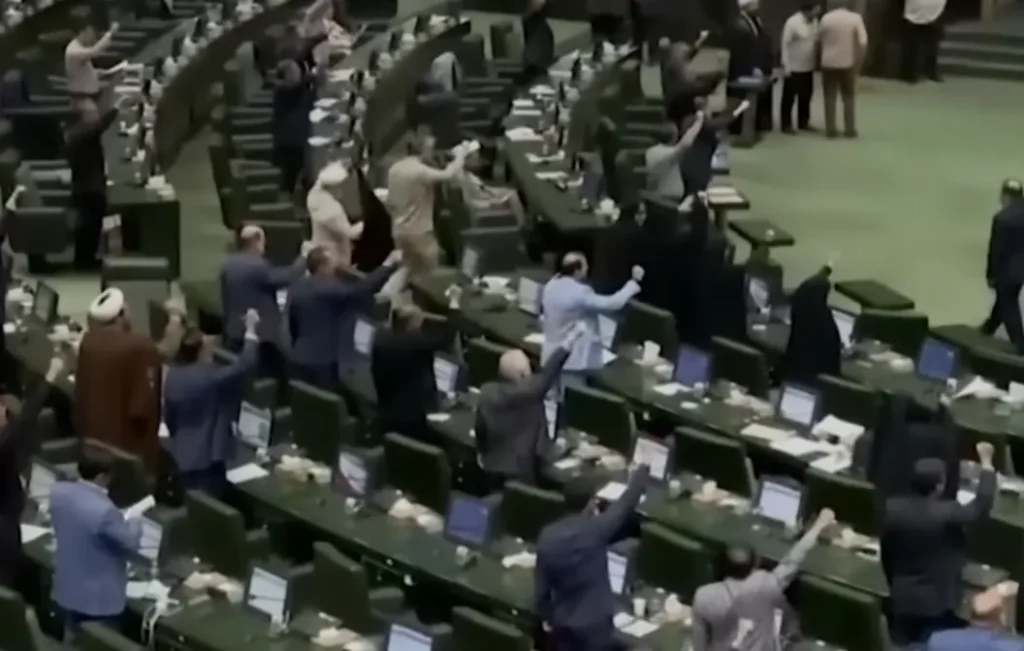
Iran demonstrates that secondary sanctions can achieve significant economic pressure but often strengthen hardline elements within targeted regimes while weakening moderates who advocate for international engagement. The humanitarian costs also generate international criticism and reduce long-term diplomatic leverage.
Russia: The Largest Sanction Package in History
Russia’s invasion of Ukraine in February 2022 triggered the most comprehensive sanction regime ever deployed, providing real-time insights into how major economies adapt to unprecedented economic pressure.
- Unprecedented Scale: Over 25,000 individual sanctions were imposed within weeks—ten times the number after Russia’s 2014 annexation of Crimea. These included freezing $300 billion of central bank reserves, excluding 45 banks from SWIFT, implementing a $60/barrel oil price cap, and seizing oligarch assets.
- Russian Countermeasures: Russia developed SPFS as a SWIFT alternative (now handling 25% of cross-border payments), pivoted energy exports to Asia (oil exports to India increased twenty-fold), and replaced Western brands through domestic substitutes—Stars Coffee replaced Starbucks, Maag replaced Zara, and Dobri Cola replaced Coca-Cola.
- Economic Resilience vs. Long-Term Constraints: While Russia avoided immediate economic collapse, significant long-term constraints remain. Technology imports have become more difficult, affecting manufacturing and military production. Brain drain has accelerated, with over 300,000 skilled workers leaving since the invasion. These factors create long-term economic headwinds even as short-term adaptation succeeds.

Russia’s case demonstrates that even the most comprehensive sanctions face significant limitations against large, resource-rich nations with time to prepare and adapt. The country had been developing countermeasures since 2014, giving it crucial advantages when full-scale sanctions hit.
Critical Patterns and Strategic Implications
The Humanitarian Paradox
A consistent pattern across all five case studies is the disproportionate impact of sanctions on ordinary citizens versus regime elites. This creates a strategic paradox: sanctions intended to promote democracy and human rights often achieve the opposite effect by:
- Creating external scapegoats that regimes use to consolidate internal support
- Generating economic hardship that weakens civil society and opposition movements
- Strengthening black markets and corruption networks that benefit regime insiders
- Reducing the population’s capacity for political organization due to survival concerns
As the document notes: “sanctions ultimately directly oppress the lives of the lower classes in the sanctioned country… the cruel logic behind this is the hope that by oppressing the lower classes and the masses, they can drive internal change within the sanctioned country.”
Effectiveness Determinants
Research and historical evidence suggest sanctions succeed under specific conditions:
- Sudden Implementation: Sanctions that catch targets unprepared have higher success rates than gradual escalation
- Clear, Achievable Objectives: Sanctions aimed at specific, limited goals (like releasing hostages) succeed more often than those seeking regime change
- Multilateral Cooperation: Sanctions with broad international support create fewer escape routes for targets
- Time Sensitivity: Sanctions work best when targets face immediate, acute pressure rather than chronic, manageable hardship
The South Africa case provides a rare success example where comprehensive global sanctions, combined with internal resistance and external pressure, successfully ended apartheid and led to Nelson Mandela’s release.
The Elite Protection Mechanism
Across all case studies, regime elites consistently find ways to protect themselves from sanction impacts while ordinary citizens bear the burden. This occurs through:
- Access to alternative financial systems (cryptocurrency, hawala networks, third-country banks)
- Control over scarce resources and black market opportunities
- Ability to emigrate family members and assets before sanctions bite
- Use of diplomatic passports and international connections to bypass travel restrictions
Future Outlook and Strategic Lessons
Declining Returns on Sanction Power
Evidence suggests the effectiveness of economic sanctions is declining over time due to several structural factors:
- Sanction Fatigue: International support for prolonged sanctions erodes as humanitarian costs become apparent
- Alternative Systems Development: Sanctioned nations increasingly develop parallel economic and financial systems
- Geopolitical Multipolarity: The rise of China and other powers creates alternative markets and financial systems
- Technological Adaptation: Blockchain, cryptocurrency, and digital trade platforms create new circumvention methods
The Sanction Fatigue Trap
Once sanctions fatigue sets in, both sanctioning and sanctioned countries develop vested interests that make resolution increasingly difficult. As the document explains: “Once sanctions fatigue forms, both the sanctioning and sanctioned countries will have a group of vested interests, making it even more difficult to lift sanctions. This creates a vicious cycle of sanctions, ultimately evolving into endless, slow oppression of the lower classes.”
Strategic Recommendations
Based on this comprehensive analysis, several principles emerge for more effective use of economic pressure tools:
- Precision Targeting: Focus sanctions on specific individuals and entities most responsible for objectionable policies, rather than broad economic measures that harm populations
- Carrot-and-Stick Approach: Always pair sanctions with clear pathways for their removal, creating positive incentives for behavioral change
- Humanitarian Safeguards: Implement robust mechanisms to ensure essential goods (food, medicine, humanitarian supplies) can reach populations despite sanctions
- Coalition Building: Invest diplomatic capital in building broad international coalitions to reduce circumvention opportunities
- Adaptive Strategies: Recognize that sanctioned regimes will adapt and develop countermeasures; sanction regimes must be flexible and responsive to changing conditions
Conclusion: Reassessing Economic Statecraft
The evidence from these five major case studies reveals a fundamental truth about economic sanctions: they are powerful tools for inflicting economic pain, but poor instruments for achieving complex political objectives. The humanitarian costs often outweigh the strategic benefits, while regime elites develop sophisticated methods to protect themselves and maintain power.
As the international community moves toward a more multipolar world order, the unilateral sanction power exercised by Western nations will likely diminish. This creates an opportunity to develop more sophisticated approaches to economic statecraft—ones that recognize the limitations of pure coercion while leveraging economic interdependence for mutual benefit.
The most effective future strategies will likely combine targeted economic pressure with diplomatic engagement, humanitarian safeguards, and clear pathways for resolution. This approach acknowledges that lasting change comes not from economic destruction, but from creating conditions where targeted regimes see greater benefit in cooperation than in resistance.